Cocaine use is surging among women, with many using it as a low-fat alternative to alcohol, one of Ireland’s leading rehab centres has said.
The Rutland Centre rehab clinic on Monday published its 2024 annual report, warning of a ‘growing national crisis’ as cocaine replaces other drugs.
The centre’s head of clinical services, Emma Kavanagh, told EVOKE’s sister paper the Irish Daily Mail at the report’s launch: ‘Young women feel like cocaine is not going to derail their weight-loss journeys or their progress in the gym. If they were to use alcohol, it would negatively affect those things. So cocaine is nearly kind of a loophole to get a buzz without having to ingest additional calories.'

Cocaine accounted for 23 per cent of all admissions last year to the Rutland, a private rehab clinic, up from 17 per cent in 2023. Ms Kavanagh told the Mail: ‘I think in generations gone by, you would have seen cocaine as a much more of a middle-class drug, and we’re not seeing that now.
‘We’re seeing it being used right across social stratospheres, there is a real kind of blurring of lines around that. It does seem to be becoming much more prevalent in women.’
She added: ‘I think it’s an attractive drug for women, and young women in particular, and some young men are very body-conscious, like we’re in a society that’s very obsessed with how we look, what we weigh, how many wrinkles we have… that’s kind of the joy or the misery of social media.’
The centre, in Knocklyon, Co. Dublin, has not yet released data on female admission for drug use, but said in a statement on Monday that treatment for cocaine in 2024 was ‘one of the sharpest single-year increases the Rutland Centre has recorded for any substance’.
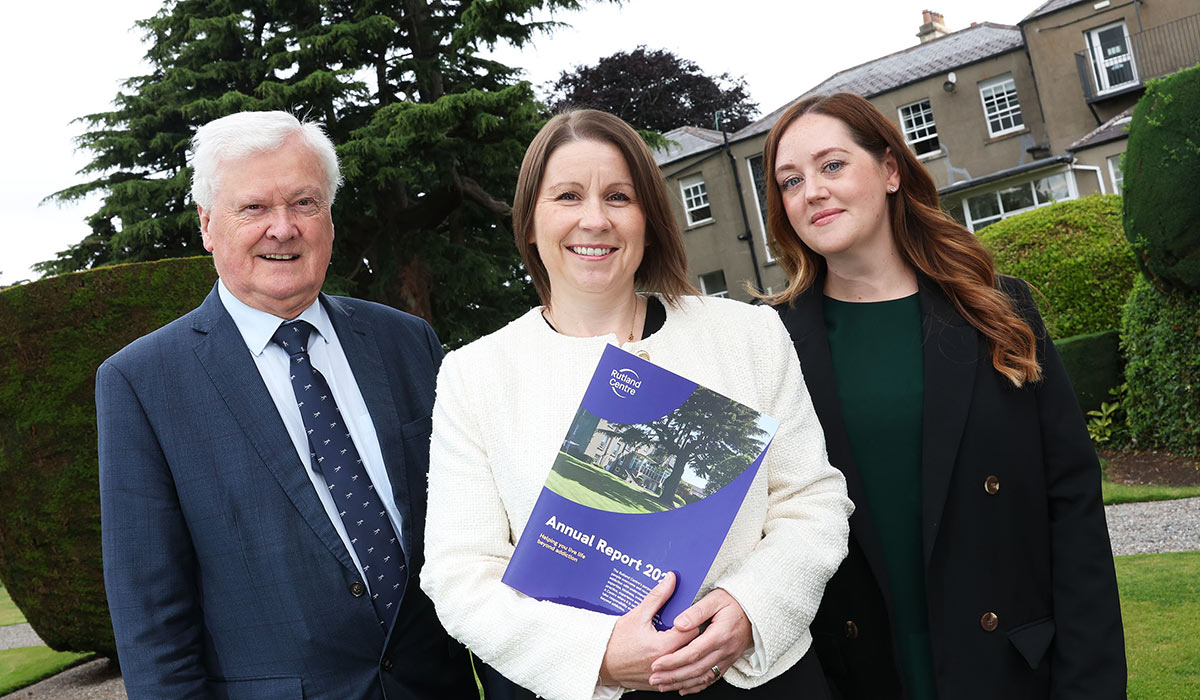
Rutland CEO Maeve Mullany explained how women traditionally face worse barriers to entering treatment than men do. ‘There’s a lot more stigma and shame for women entering treatment.
'There’s a lot more considerations around childcare, around family life, so they tend not to come forward for treatment as frequently or as often as men do,’ she told RTÉ Radio 1.
Regarding cocaine, Ms Mullany said that ‘you hear from people that are coming in from treatment that it’s literally everywhere’. She said the drug is in schools across Ireland. ‘It’s in the lockers, it’s in school, it’s after sport. We even hear from clients coming into treatment that there’s an app that people can use to order it by drones,’ she remarked.
In response to this crisis, the centre has announced plans to open a dedicated inpatient detox unit later this year. While more than 200 people received intensive treatment through Rutland’s residential and outpatient programmes in 2024, the centre engaged with thousands more through aftercare, free screening clinics and family support services.

Staff answered more than 16,800 calls and facilitated over 11,000 aftercare attendances, underscoring the scale of need in Irish society. According to the Health Research Board’s latest drug treatment figures, cocaine is now the most common problem drug among new treatment cases, accounting for over 30 per cent of all new presentations, and overtaking cannabis for the first time.
Men made up two-thirds (66 per cent) of those treated at the Rutland Centre in 2024, with women accounting for 34 per cent. The age group with the most people seeking help was those aged 25 to 44, who represent more than half of all clients.
‘These figures highlight the age and gender realities of addiction in Ireland today, with younger adults and men continuing to face particularly acute risks,’ the facility said in a statement.

The Rutland report also revealed that 94 per cent of residential clients completed the full treatment programme; 89 per cent of those who moved into aftercare remained in active recovery; and 59 people accessed the centre’s Stabilisation Group following relapse, with over half successfully returning to mainstream recovery.
Personal stories also featured strongly in the report, with many former clients crediting Rutland with life-changing recovery. One former client, Chris, said: ‘When I arrived four years ago, I was completely broken. The 35 days in the house was the hardest of my life. I finally had to face me.
‘Now I look back and recovery hasn’t just been about sobriety, it’s about growing up and reconnecting with the people I love.’ Regarding his recovery process, he added: ‘Halfway through, I wanted to leave, I wanted to run – but that same night something clicked: no one else was going to do this for me. I needed to show up for myself. What’s happened since still blows my mind.’